

- Joined
- Nov 4, 2024
- Threads
- 35
- Messages
- 65
- Reaction score
- 301
- Location
- Houston, TX
- Vehicles
- '22 Model X
- Thread starter
- #1
https://carbuzz.com/vw-doubles-down-on-combustion-engines-as-scout-costs-spiral-into-the-billions/
VW Doubles Down On Combustion Engines As Scout Costs Spiral Into The Billions
March 10, 2026
The last several years haven't been easy for Volkswagen, and this past one was no different. Across all markets, total sales are down, and so are revenues and profits. A number of issues are contributing to the automaker's woes, and among them is the unexpected demand for combustion engines, particularly in brands including Scout and Porsche. Even though the brands need to meet customer demands, it's costing them big.
Amibitious EV Plans Have Backfired
Scout is quite the pain point for VW, since it keeps costing money, and it doesn't have anything on sale yet. CarBuzz listened in on VW's investor call, and the company revealed that costs for Scout have risen by €1.2 billion, apparently driven by the need to prioritize the range-extended version. As we've previously reported, 85% of Scout reservations have been for the range-extender, and the automaker wasn't expecting such high demand.
Porsche is the other main brand struggling with slowing EV demand. Porsche was pushing hard for nearly full electrification, having launched the new Macan with no combustion alternative, as well as a fully-electric 718 line. Now, it looks like there's a chance the electric 718s won't show up at all, and the company is working on combustion alternatives. Porsche's strategic woes combined with a decline in sales in China, as well as tariffs in America, have demolished its profitability.
It sounds as though VW will broadly reconsider its electrification plans, and instead maintain some level of combustion offerings, based on this quote from the group's CFO and COO, Arno Antlitz:
The News Isn't Good, But It's Not All Bad, Either
Looking at the VW Group as a whole, 2025 wasn't great, but it wasn't a disaster, either. As we mentioned, overall sales and revenue were down slightly, specifically by 0.2% and 0.8% respectively. Those big costs in revising Scout and Porsche strategies were major contributors to VW's operating returns dropping by half, though. With any luck, for the automaker's sake, that will be more of a one-time hit rather than a long-term issue. Declining sales in North America and China, as well as U.S. tariffs are other contributing problems.
VW Group did have a few bright spots, though. Sales in Europe and South America are on the rise, and even the rest of Asia outside of China. Plus, even though EV sales haven't kept up with expectations, they are still rising. They were up in every region but China, likely due to the rise of Chinese competitors. In fact, VW Group sold nearly 1,000,000 EVs globally, an increase of 32% over 2024.
Understandably, VW's expectations for 2026 aren't hugely optimistic. It's expecting revenue to either be flat, or maybe increase by 3%. In part, this is likely because the overall car market is still volatile in demands and legal requirements.
VW Doubles Down On Combustion Engines As Scout Costs Spiral Into The Billions
March 10, 2026
The last several years haven't been easy for Volkswagen, and this past one was no different. Across all markets, total sales are down, and so are revenues and profits. A number of issues are contributing to the automaker's woes, and among them is the unexpected demand for combustion engines, particularly in brands including Scout and Porsche. Even though the brands need to meet customer demands, it's costing them big.
Amibitious EV Plans Have Backfired
Scout is quite the pain point for VW, since it keeps costing money, and it doesn't have anything on sale yet. CarBuzz listened in on VW's investor call, and the company revealed that costs for Scout have risen by €1.2 billion, apparently driven by the need to prioritize the range-extended version. As we've previously reported, 85% of Scout reservations have been for the range-extender, and the automaker wasn't expecting such high demand.
Porsche is the other main brand struggling with slowing EV demand. Porsche was pushing hard for nearly full electrification, having launched the new Macan with no combustion alternative, as well as a fully-electric 718 line. Now, it looks like there's a chance the electric 718s won't show up at all, and the company is working on combustion alternatives. Porsche's strategic woes combined with a decline in sales in China, as well as tariffs in America, have demolished its profitability.
It sounds as though VW will broadly reconsider its electrification plans, and instead maintain some level of combustion offerings, based on this quote from the group's CFO and COO, Arno Antlitz:
"In this challenging environment, we want to keep our combustion engine vehicles technologically competitive, continue investing in exciting electric vehicles and the latest software solutions for our customers, and expand our regional presence, particularly in the United States."—Arno Antlitz
The News Isn't Good, But It's Not All Bad, Either
Looking at the VW Group as a whole, 2025 wasn't great, but it wasn't a disaster, either. As we mentioned, overall sales and revenue were down slightly, specifically by 0.2% and 0.8% respectively. Those big costs in revising Scout and Porsche strategies were major contributors to VW's operating returns dropping by half, though. With any luck, for the automaker's sake, that will be more of a one-time hit rather than a long-term issue. Declining sales in North America and China, as well as U.S. tariffs are other contributing problems.
VW Group did have a few bright spots, though. Sales in Europe and South America are on the rise, and even the rest of Asia outside of China. Plus, even though EV sales haven't kept up with expectations, they are still rising. They were up in every region but China, likely due to the rise of Chinese competitors. In fact, VW Group sold nearly 1,000,000 EVs globally, an increase of 32% over 2024.
Understandably, VW's expectations for 2026 aren't hugely optimistic. It's expecting revenue to either be flat, or maybe increase by 3%. In part, this is likely because the overall car market is still volatile in demands and legal requirements.
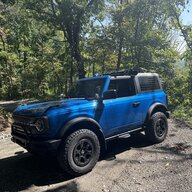


 . Can’t change her mind -ever. She is so hardcore on that, that if the car she has and loves (her 2025 Jag F-Pace) only came in an EV, there’s zero chance she’d buy it. Period. Even though she only goes a few miles a day…..
 .
.